

Food Absorbent Pad
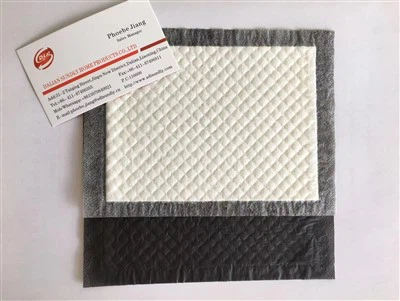
Food absorbent pad are a staple in many industries, from grocery and medical settings to packaging and shipping companies. However, the innovative use of these pads in foodservice is something that is relatively new and exciting.Food absorbent pad are commonly used in the food industry to help absorb excess moisture and blood from raw meat products. This can help to improve the appearance and quality of the meat, as well as extend its shelf life. The pads are typically made from materials that are safe for food contact and can be disposed of easily.
Advantages of Food Absorbent Pad
Ensures freshness
The primary function of food absorbent pad is to keep food fresh for a longer period. The pad absorbs excess moisture from fresh meat, poultry, and seafood, which can cause spoilage and bacteria growth. This results in food that is fresher, safer to eat, and lasts longer.
Enhanced food safety
Food absorbent pad help in enhancing food safety by keeping harmful bacteria at bay. They reduce the presence of moisture that bacteria need to grow and multiply, thus reducing the risk of food contamination.
Improved shelf life
Another significant benefit of using food absorbent pad is the extended shelf life of food. The absorption of excess moisture helps to prevent the growth of mold and bacteria, which can shorten the lifespan of the product considerably.
Reduction of odors
Food absorbent pad help in reducing unpleasant odors that can arise from food, especially meat products. The pad’s absorption capability traps and locks in the moisture, which reduces the production of unpleasant smells.
-
Food Absorbent Pad
our water absorbent pads can effectively absorb the melting ice and juices released during fish
-
Poultry Absorbent Pads
our water absorbent pads can effectively absorb the melting ice and juices released during fish
-
China Factory Food Pad
our water absorbent pads can effectively absorb the melting ice and juices released during fish
-
China Meat Pad
our water absorbent pads can effectively absorb the melting ice and juices released during fish
-
China Supplier Food Absorbent Pads
our water absorbent pads can effectively absorb the melting ice and juices released during fish
-
China Meat Absorbent Pad
our water absorbent pads can effectively absorb the melting ice and juices released during fish
-
Sundly Absorbent Pad Amazon
our water absorbent pads can effectively absorb the melting ice and juices released during fish
-
Sundly absorbent pad for shrimp
our water absorbent pads can effectively absorb the melting ice and juices released during fish
-
Fruit Pads
our water absorbent pads can effectively absorb the melting ice and juices released during fish
-
Absorbent Pads For Poultry
our water absorbent pads can effectively absorb the melting ice and juices released during fish
-
Soaker Pads For Fruit
our water absorbent pads can effectively absorb the melting ice and juices released during fish
-
Soaker Pads For The Tray
our water absorbent pads can effectively absorb the melting ice and juices released during fish




Why Choose Us
Our factory
The company has more than 150 employees, covers an area of 16800 square meters.Sundly has operated steadily for many years. The company is committed to providing healthy, convenient, environment friendly, and comfortable home products.
Our history
Dalian sundly home products co., ltd, locates in a beautiful port--dalian. The company was established in dec 2011, with registered capital rmb 30 million.
Product application
Food absorbent pad can be used with any vacuum meat, poultry,seafood,fruits, vegetables and other retail packaging processing,storage, transportation,distribution and sales.
Production equipment
Sundly has advanced full-automated production line, and continuously increase automation to boost the production efficiency.
Production market
The company actively develops the international market, mainly exports japan, south korea, europe, the united states and other countries, monthly exports more than 200 containers.
Our service
We have a complete management system starting from material purchase, manufacturing process control, to after-sale service. To provide products and services of superior quality is the common goal of every employee in sundly.
The role of absorbent pads in meat packaging
Absorbent pads in meat packaging are designed to absorb excess fluids that are released from meat products. These fluids, known as purge, can include blood, water, and other liquids. If not properly managed, purge can lead to a range of issues, including spoilage, bacterial growth, and an unappealing appearance. Absorbent pads help mitigate these problems by effectively absorbing and containing these fluids.
Enhancing food safety
One of the primary benefits of using absorbent pads in meat packaging is the enhancement of food safety. Excess fluids can create a breeding ground for harmful bacteria such as salmonella and e. Coli. By absorbing these fluids, absorbent pads help reduce the risk of bacterial contamination, ensuring that the meat remains safe for consumption.
Improving shelf life
Another significant advantage of absorbent pads is their ability to extend the shelf life of meat products. By keeping the meat dry and preventing the buildup of fluids, these pads help maintain the product's freshness for a longer period. This is particularly important for both retailers and consumers, as it reduces food waste and ensures that the meat retains its quality until it is ready to be cooked and consumed.
Enhancing product presentation
Absorbent pads also play a vital role in enhancing the visual appeal of meat products. Excess fluids can make the packaging look messy and unappetizing. By absorbing these fluids, absorbent pads help keep the packaging clean and presentable, which is crucial for attracting customers and encouraging purchases.
Sustainability and eco-friendly options
In recent years, there has been a growing demand for sustainable and eco-friendly packaging solutions. Many manufacturers now offer absorbent pads made from biodegradable materials. These eco-friendly pads not only provide similar benefits as traditional pads but also help reduce the environmental impact of meat packaging.
Absorbent Pads For Food Packaging: A Global Outlook
The food packaging market is undergoing a significant transformation, with emerging trends shaping the future of a rapidly evolving industry. Among the most relevant innovations, absorbent pads for food packaging, used for meat, poultry, fish, and small fruits, are emerging as a solution that meets the needs of producers and consumers.
Sustainability as a priority
One of the most relevant trends is the increasing emphasis on sustainability. Consumers are increasingly aware of the environmental impact of their choices and are looking for environmentally friendly products. In response to this growing demand, the absorbent pad industry is developing solutions made from environmentally friendly, recyclable, biodegradable, and compostable materials. This trend towards eco-sustainability is rapidly influencing consumers' purchasing decisions.
Reducing food waste
The fight against food waste has become a global priority and absorbent food pads play a remarkable role in this challenge. Fresh food with an extended shelf life is a direct response to food waste. Absorbent pads are a key factor in this process, contributing substantially to preserving the freshness of food by absorbing liquids released within the package.
Focus on technological innovation
Intense technological innovation is marking the absorbent pad market. Companies in the industry are constantly developing new solutions to meet the market's evolving needs. This search for advanced solutions has led to the development of compostable absorbent pads, as well as high-performance materials that improve absorbency and food preservation. Technological innovation is a key factor in remaining competitive in a constantly changing industry.
Regulatory compliance
Compliance with food packaging regulations is an increasing priority for the industry. Food safety and quality are at the top of consumers' concerns and regulatory compliance is essential to ensure that food products are safe for consumption. In the food industry, where safety is a priority, absorbent pads must comply with strict food packaging regulations. This is essential to maintain consumer confidence and to operate successfully in this highly regulated sector.
Market challenges and opportunities
Despite the obvious progress and opportunities in the industry, it is important to also realize the challenges companies have to face. One of the main ones is continuous innovation: To be competitive, companies must invest in research and development to develop new technologies and advanced materials that meet the increased consumer expectations and evolving regulations.
Another significant challenge is the reduction of production costs. While sustainability is a central concern, companies must keep costs under control to compete in the marketplace. Finding the right balance between sustainability and industrial costs is a complex challenge, but a great opportunity for those companies that manage to do it successfully.
On the other hand, the opportunities in the industry are considerable: Growing consumer awareness of sustainability and food safety is paving the way for a growing demand for innovative and sustainable food packaging products, and companies that manage to meet these emerging needs can enjoy a significant competitive advantage.

Food absorbent pad are a staple in many industries, from grocery and medical settings to packaging and shipping companies. However, the innovative use of these pads in foodservice is relatively new and exciting.
Back-of-house operations are critical to the success of a restaurant and the quality of food delivered to customers. Foodservice preparation prior to serving is an important factor in allowing kitchen staff to work more efficiently and maintain consistent product quality.
A leader in absorbent pad solutions has developed a new product called prep pads. As chefs prepare food by cutting and slicing, they typically use metal or plastic containers to store food. Placing absorbent pads on the bottom before placing food in containers absorbs excess moisture, limiting the impact on the quality of produce or protein and the overall freshness of the food.
Keeping prepared produce out of standing juices slows the degradation process. This revolutionary use of pads in foodservice has the potential to transform the industry by improving the quality and safety of prepared foods.
Traditionally, restaurant staff use paper towels to absorb excess moisture from containers of cut produce. This method can be cumbersome, time-consuming, and unreliable, and it also creates a lot of waste. Prep pads are a game changer in this regard, as they are specifically designed for this application and are more efficient than other options.
One of the main benefits of prep pads is their ability to absorb large amounts of liquid quickly. This is particularly important in a logistical environment where time is of the essence and efficiency is paramount. By reducing the amount of moisture in the container, produce can be kept fresher longer, helping to prevent bacterial growth and food spoilage.
Prep pads are also very simple to use. Available in a variety of sizes to fit different containers, they are simply placed at the bottom of the container before adding produce or protein. Once the produce is in the container, the pad begins to absorb excess moisture, keeping the produce fresher.
Food absorption pads are commonly used in the packaging industry to extend the shelf life of food products, preserve their quality, and reduce waste. When choosing the right food absorption pads for your packaging needs, there are a few factors to consider.
Type of food product: First and foremost, consider the type of food product you are packaging. The absorption pad you choose should be specifically designed for the type of food you are packaging. For example, if you are packaging meat, you will need a pad that can absorb large amounts of liquid and maintain its integrity.
Absorption capacity: The absorption capacity of a pad is another important factor to consider. Different pads are designed to absorb different amounts of liquid, so it is important to select a pad that can handle the amount of liquid your food product releases.
Size and shape: The size and shape of the pad should also be considered. Make sure the pad fits snugly and doesn’t move around in the packaging. It should also be the appropriate size for the food product you are packaging.
Safety: The safety of the pad is also important. Make sure it meets all safety standards and regulations. It should be made from food-grade materials and not contain any harmful substances.
Environmental impact: Consider the environmental impact of the absorption pad. Choose a pad that is biodegradable or recyclable to reduce your carbon footprint.
Cost: Finally, cost is always a factor to consider. Look for high-quality pads that offer the best value for your money and meet all your packaging needs.
In conclusion, choosing the right food absorption pad will ensure your food products stay fresh and safe for consumption. Consider the type of food product you are packaging, the absorption capacity, size and shape, safety, environmental impact, and cost when making your selection.

The fresh food industry is paying more and more attention to the production and distribution of food, not only to meet the needs of reducing consumer health risks, but also to meet strict hygiene standards during the sales process. Therefore, new technologies for ensuring food safety and quality have become the subject of much research.
Fresh foods such as meat, poultry, fish, fruits and vegetables are often prepackaged for display and sale. This type of packaging, especially for meat and poultry, involves using semi-rigid trays (usually plastic) to hold the food and sealing the product in plastic packaging to keep the contents fresh and provide great convenience for distribution.
Meat and poultry and other perishable foods naturally contain liquids and juices. Sometimes, liquid can escape from the product over time. When these liquids are packed in plastic packaging trays, their juices will not only encourage bacterial growth and accelerate food deterioration, but also leak during transportation and handling, contaminating other products. In addition, market analysis shows that consumers in such liquids free fluid was found. The packaging is not pretty. Therefore, many of these packages today use absorbent food pads on the bottom of the tray to absorb liquid released from the food.
FAQ
As one of the most professional food absorbent pad manufacturers and suppliers in China, we're featured by quality products and good service. Please rest assured to wholesale food absorbent pad for sale here from our factory. Contact us for customized service.
Fish Absorbent Pad, Poultry Absorbent Pad, Food Absorbent Pad